

The short version
- Earpads are a consumable. Replace them at eighteen months, not when they flake.
- A worn pad costs several decibels of isolation before it looks worn at all.
- Check for a parts store before you buy — if there is not one, price the pair as disposable.
We keep every pair we test. Of the thirty-one still in the cupboard, eleven have failed, and the failures are boringly consistent.
The three failure points
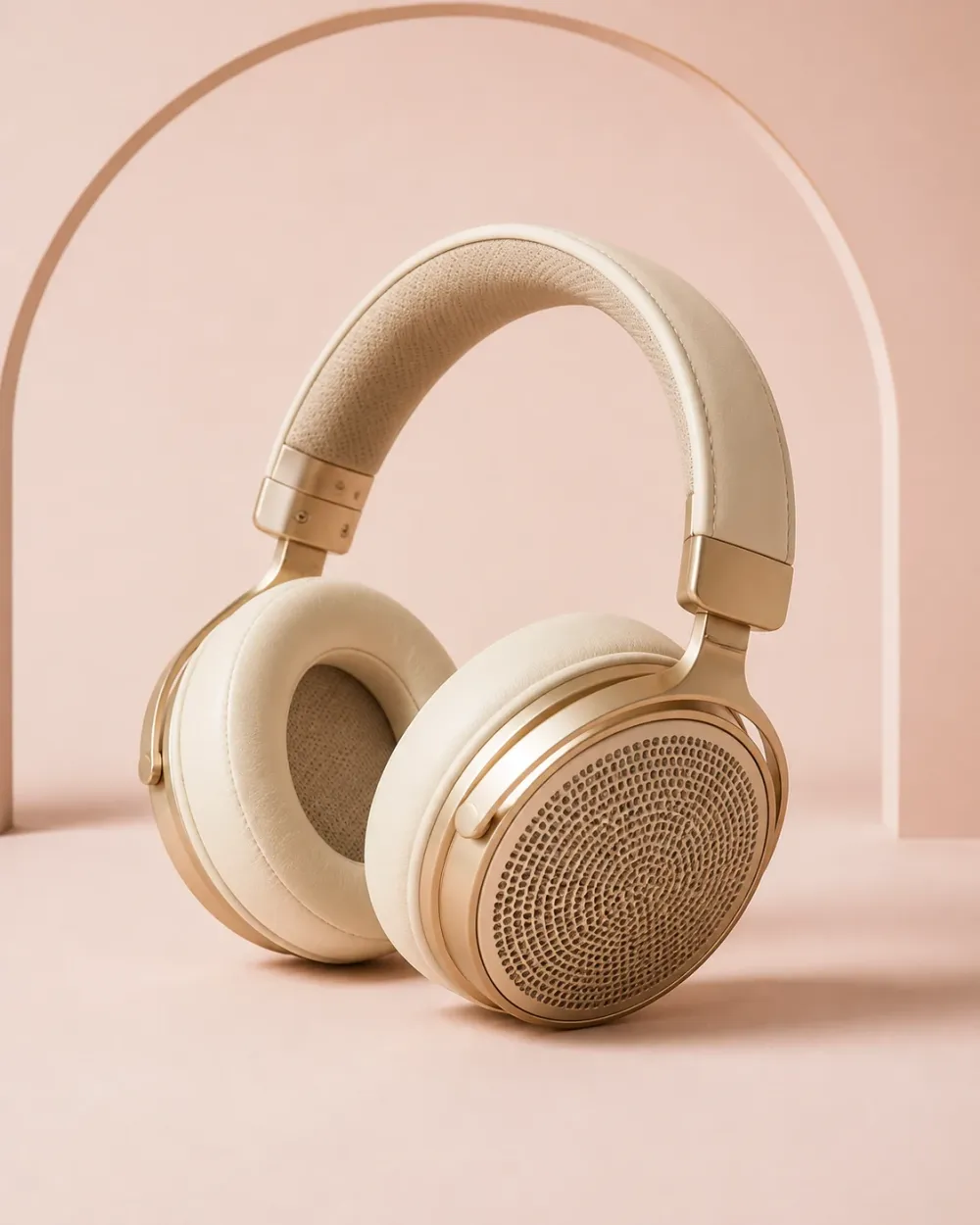
Earpads, every time. Protein leather flakes at around two years of regular use, and foam compresses long before that. This is the one that matters most for performance: a compressed pad breaks the seal, and a broken seal costs more isolation than the difference between a good cancellation system and a mediocre one.
The headband hinge, on any pair that folds. It is a moving part under tension carrying a cable through it.
The cable entry, on wired pairs, at the point where the cable leaves the cup.
What to do about it
Replace the pads on a schedule rather than on inspection. Eighteen months is about right for daily use. Most pads cost between $20 and $40 and take ten minutes with no tools.
Before you buy a pair, search the manufacturer’s site for a parts page. If pads and a headband cushion are listed with prices, the pair has a five-year life. If they are not, it has a two-year life, and you should price it accordingly.