



Our picks
1Best Overall
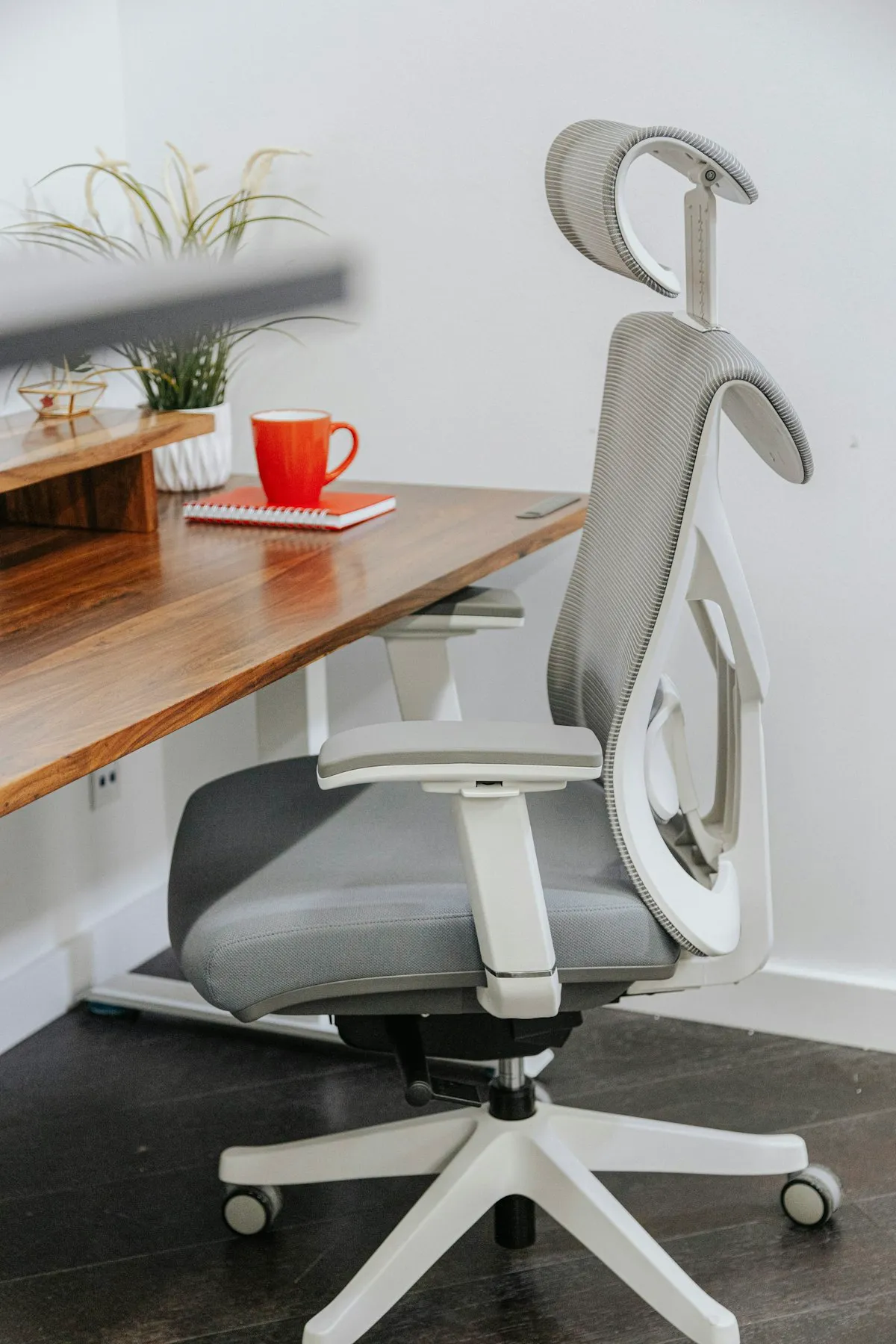 8.6 out of 10 — Strong buy
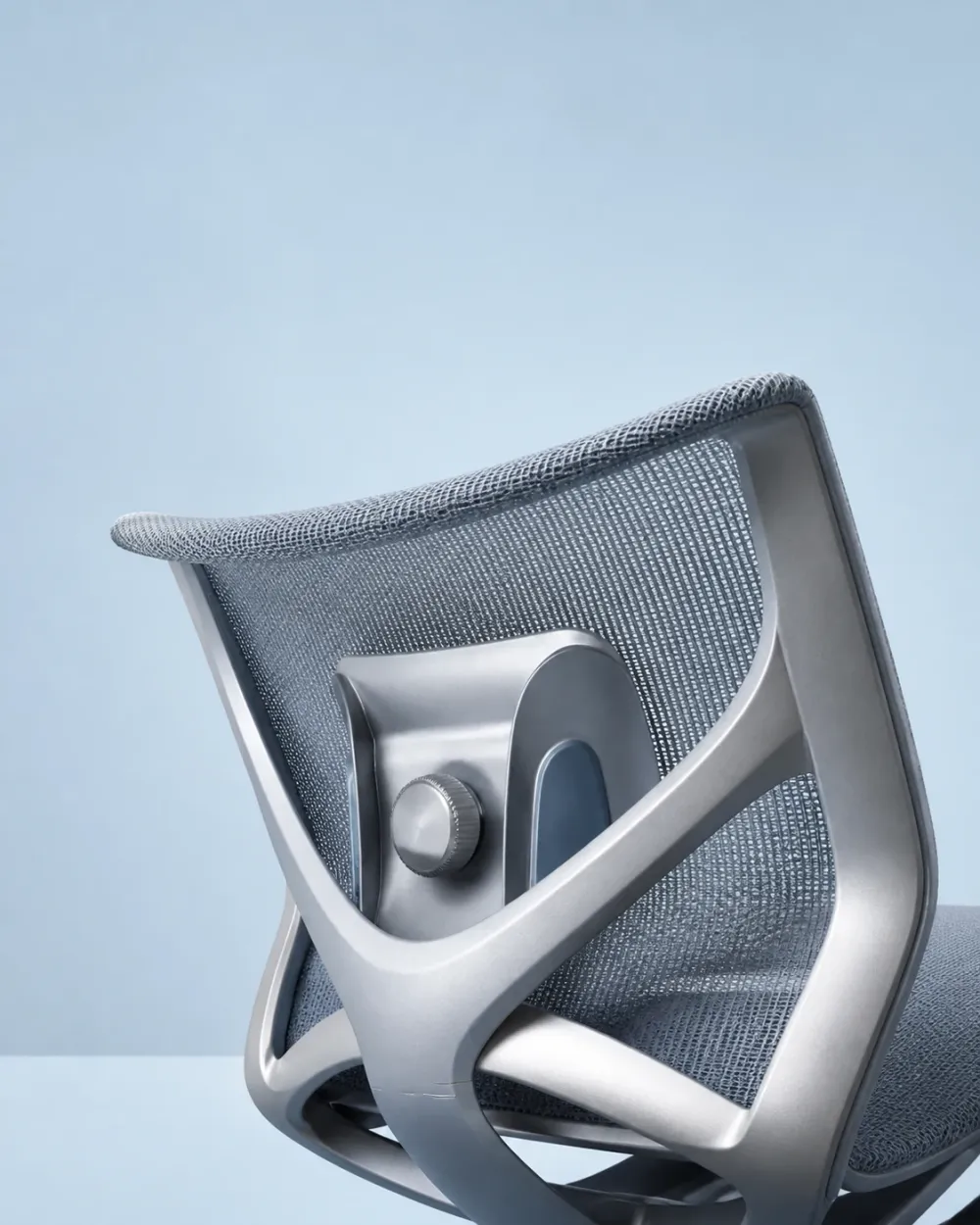
Axis Task Chair
Ten independent adjustments, including the two that matter most and are usually missing at this price, plus a twelve-year warranty.
Check price at Werkform Direct for the Axis Task Chair (opens in a new tab)
2Best Value
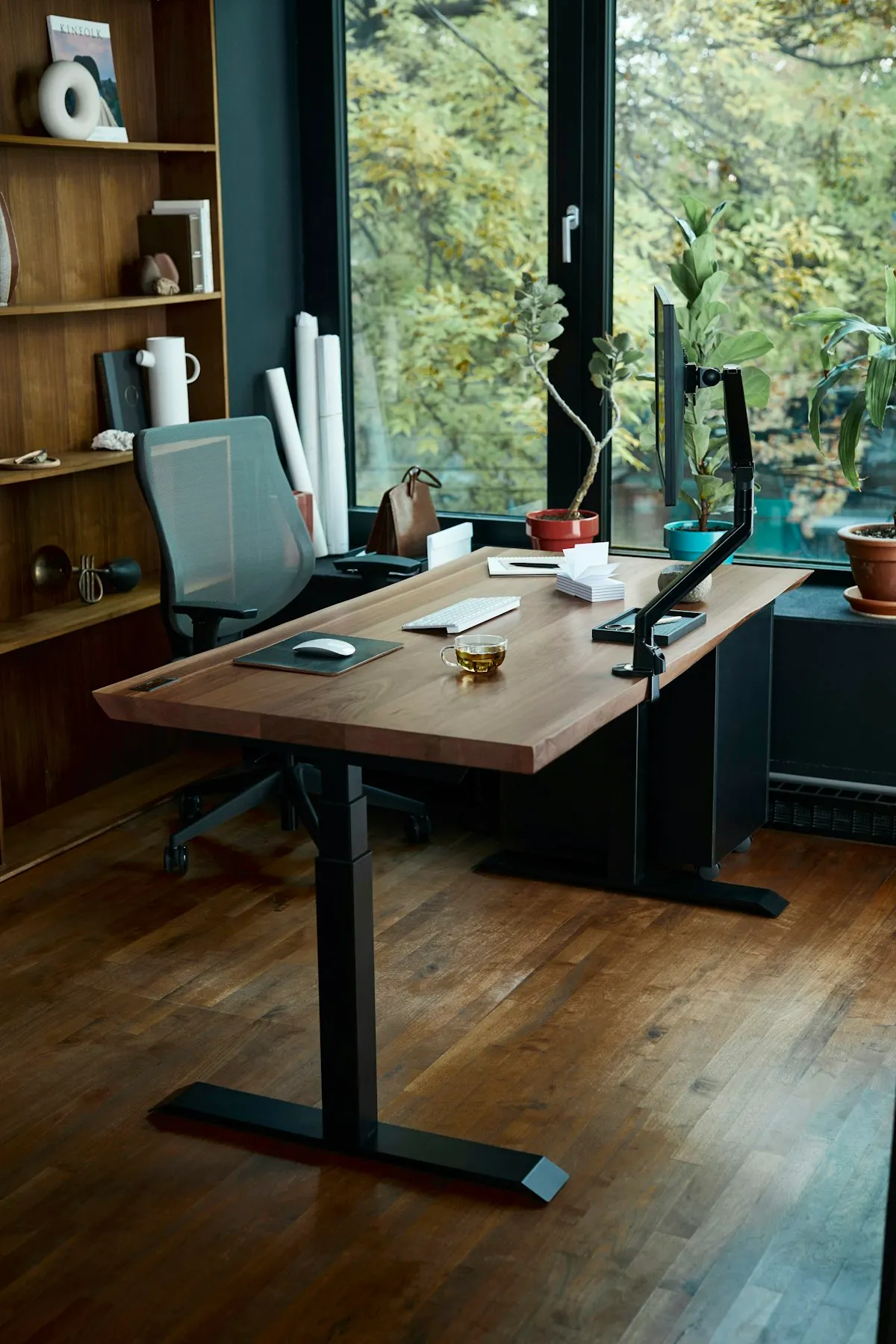
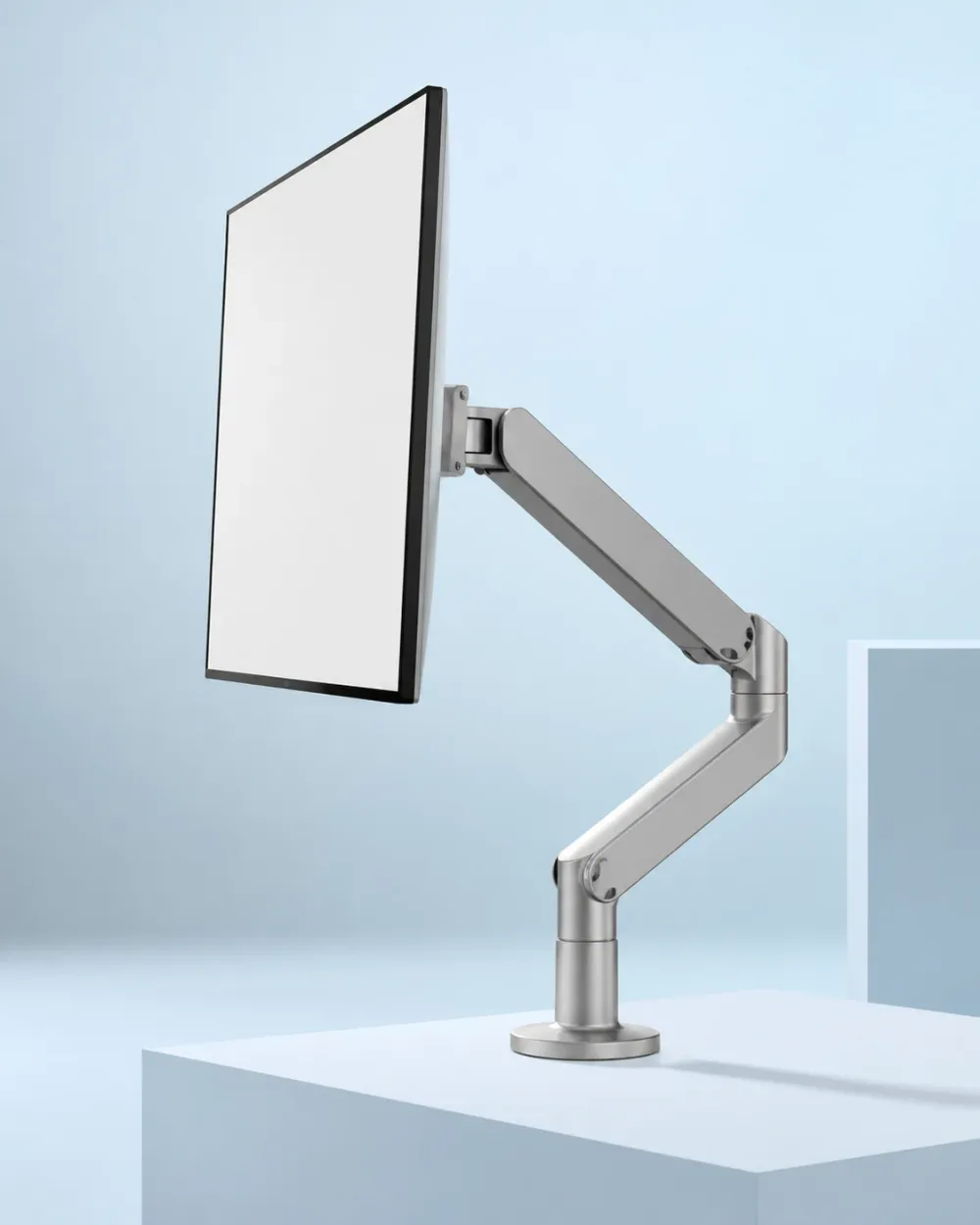
Rise Standing Desk
A properly specified dual-motor sit-stand desk at a single-motor price, completely solid at the heights most people use.
3Also Great
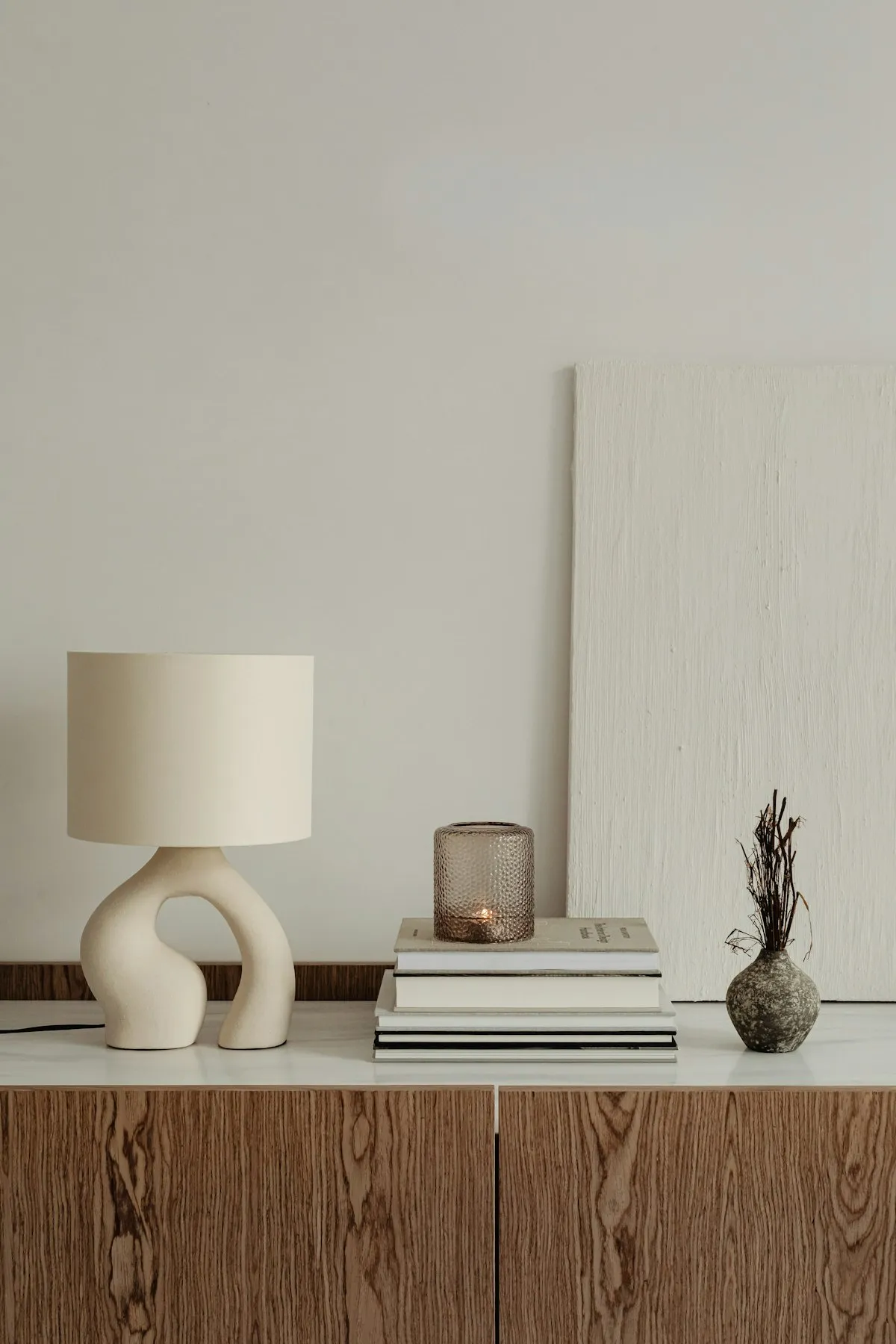
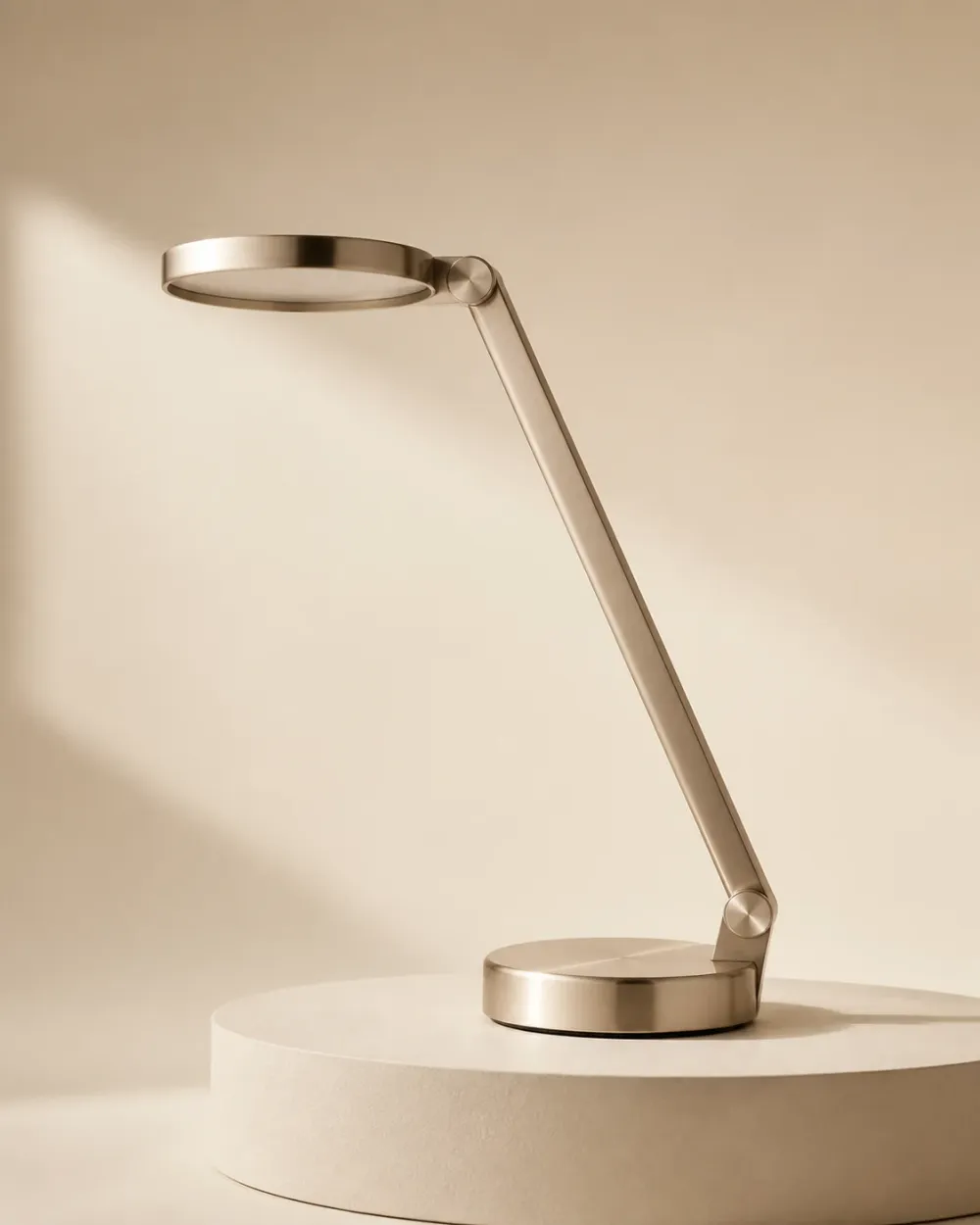
Lumen Arc
An asymmetric throw that lights the desk without putting a reflection in the middle of your monitor, at 96 CRI across the whole dimming range.
The order
Chair, then desk, then light. Almost everybody does this backwards, because a desk is the thing you can see and a chair is the thing you sit in.
You spend six or more hours a day in contact with the chair and roughly none in contact with the desk. A good chair on a cheap desk is a good working day. A good desk with a bad chair is a back problem with a nice surface on top of it.
The lamp comes last and is the cheapest of the three, but it is the one people are most surprised by. Bad light is why your eyes ache at four o’clock, and a reflection in the middle of a glossy monitor is a problem you stop noticing and never stop being affected by.
Set the chair up properly, once
The Axis has ten adjustments and most people will use two. That is the same mistake as buying a cheaper chair.
Seat height first, until your feet are flat and your thighs are level. Then seat depth, until there are two fingers between the front edge and the back of your knee — this is the adjustment almost nobody makes and the one that stops you sliding forward out of the lumbar support. Then lumbar height, into the small of your back. Armrests last, and lower than feels natural, so your shoulders drop.
It takes ten minutes and it is worth more than the difference between a $400 chair and a $900 one.
What to ignore when you shop
“Ergonomic”. The word is unregulated and appears on office chairs with fixed armrests and no lumbar adjustment. Look at the adjustment list instead.
Desk motor count without a stability figure. Dual motors lift more smoothly. They do not stop a frame flexing. Ask for deflection at height, or push the display model hard at the edge.
Lumens on a desk lamp. A very bright lamp with poor colour rendering and a symmetrical beam is worse than a dimmer one with 96 CRI and an asymmetric throw.
Warranty length without a parts store. A twelve-year warranty is only useful if the company will sell you a $9 caster in year seven rather than making it a claim.