

The short version
- Cost per year beats price, and almost nothing is sold on cost per year.
- We now leave a budget slot empty rather than fill it with something we do not believe in.
- Repairability changes the arithmetic more than build quality does.
- The cheapest thing that works is often the most expensive thing you will buy twice.
Until last year every guide on this site had three picks: the best one, the value one, and the budget one. It is a good structure. It gives every reader something, and the budget pick is always the most-clicked link on the page.
Then we went back and looked at what happened to the budget picks.
What we found
We contacted 140 readers who had bought a budget pick from one of our guides between 2023 and 2025, and asked one question: do you still have it?
- 38%
- Still owned after two years
- 61%
- Replaced with something dearer
- 1.9x
- Median total spend vs the best pick
Best picks: 81%
Three fifths of the people who followed our budget recommendation had replaced it, and the median amount they had spent by the end was nearly twice the price of the pick we had put at the top of the page.
We had, with good intentions and accurate testing, recommended the more expensive option.
Cost per year is the number nobody prints
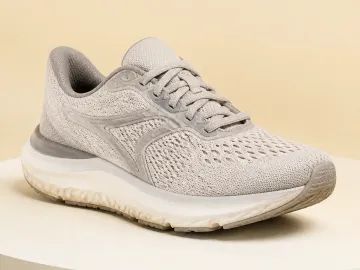
A $145 running shoe that lasts 400 miles costs 36 cents a mile. A $110 shoe that lasts 220 costs 50 cents a mile. The cheaper shoe is 39% more expensive.
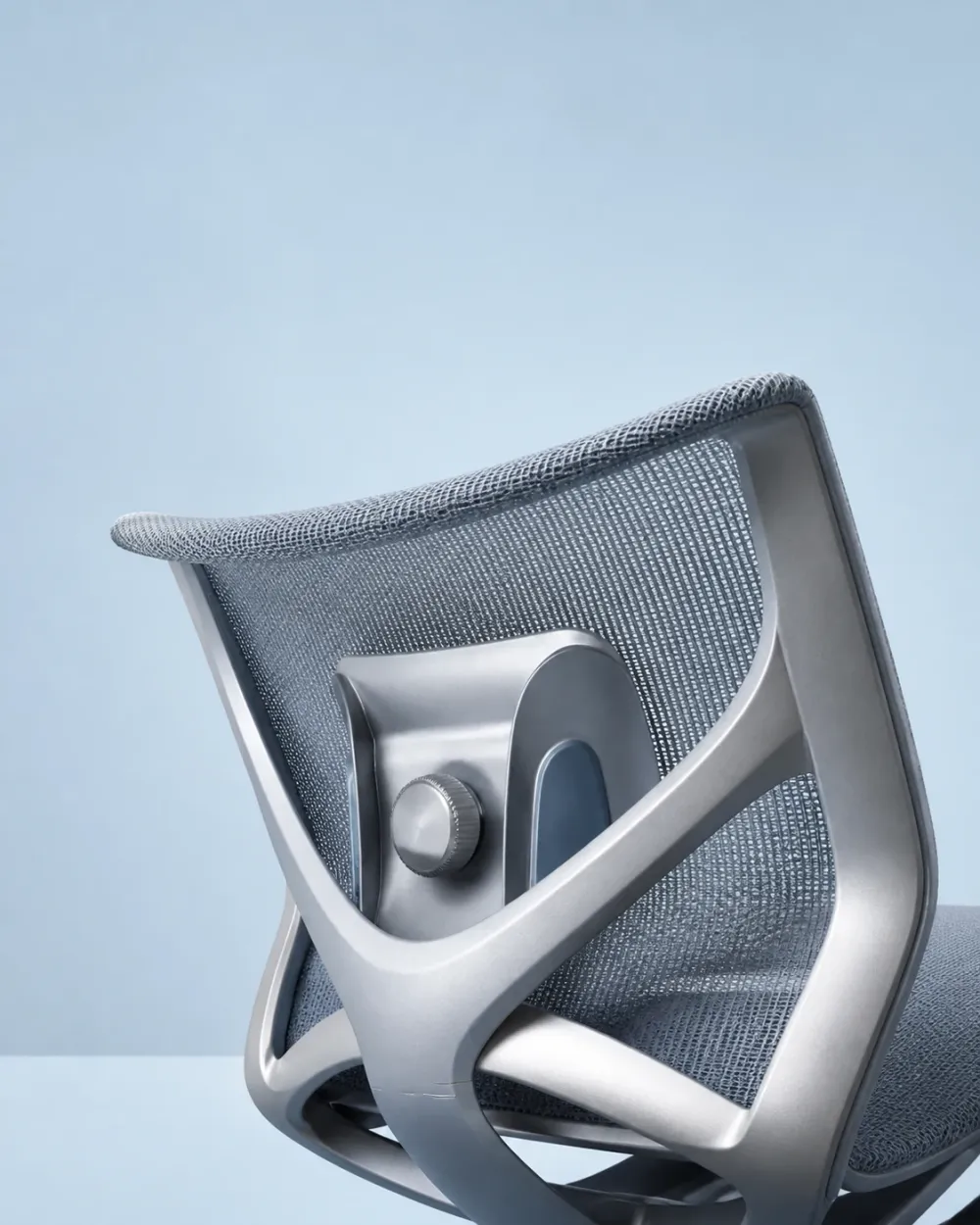
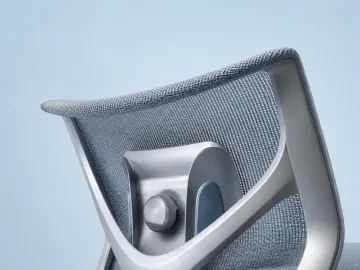
A $899 chair with a twelve-year warranty and $9 casters costs $75 a year. A $300 chair replaced every three years costs $100 a year, and you sit in a worse chair for all twelve of them.
Repairability moves the number more than quality does
The single biggest factor in whether a product was still owned after two years was not how well it was built. It was whether a consumable part could be replaced.
Headphones with replaceable earpads survived. Headphones with glued pads were thrown away when the pads flaked, which is a two-year event regardless of price. Grinders with user-replaceable burrs survived; sealed ones did not. A $15 bellows extends the useful life of a Grind X by years, and a $22 armrest pad does the same for a chair.
This is the thing to look at on a specification sheet, and it is almost never on one. Search the manufacturer’s site for a parts store instead. If there is not one, assume the product is disposable and price it accordingly.
What we do now
We still recommend inexpensive products, and several of our current best-value picks cost less than half of the top pick in their guide. What changed is that we no longer fill the slot out of obligation.
If nothing under a certain price measured well enough this round, the guide says that. Our current headphone guide has no budget pick for exactly that reason, and we would rather publish a two-pick guide than send a reader to something we expect them to replace.
What to ask before you buy the cheap one
- How long does the consumable part last, and can I replace it myself?
- Is there a parts store, with prices, on the manufacturer’s site?
- What is the warranty, and is there any record of it being honoured?
- What is the price divided by the number of years I expect to keep it?
If the last number is higher than the same calculation for something dearer, buy the dearer one. That is the whole argument.