


Ardent Stride 5 vs Tempo Carbon: do you actually need a plate?
One is 2.1% more efficient at pace and lasts 200 miles. The other lasts 400 and costs $105 less. We ran both, on the same legs, for eleven weeks.
The short answer
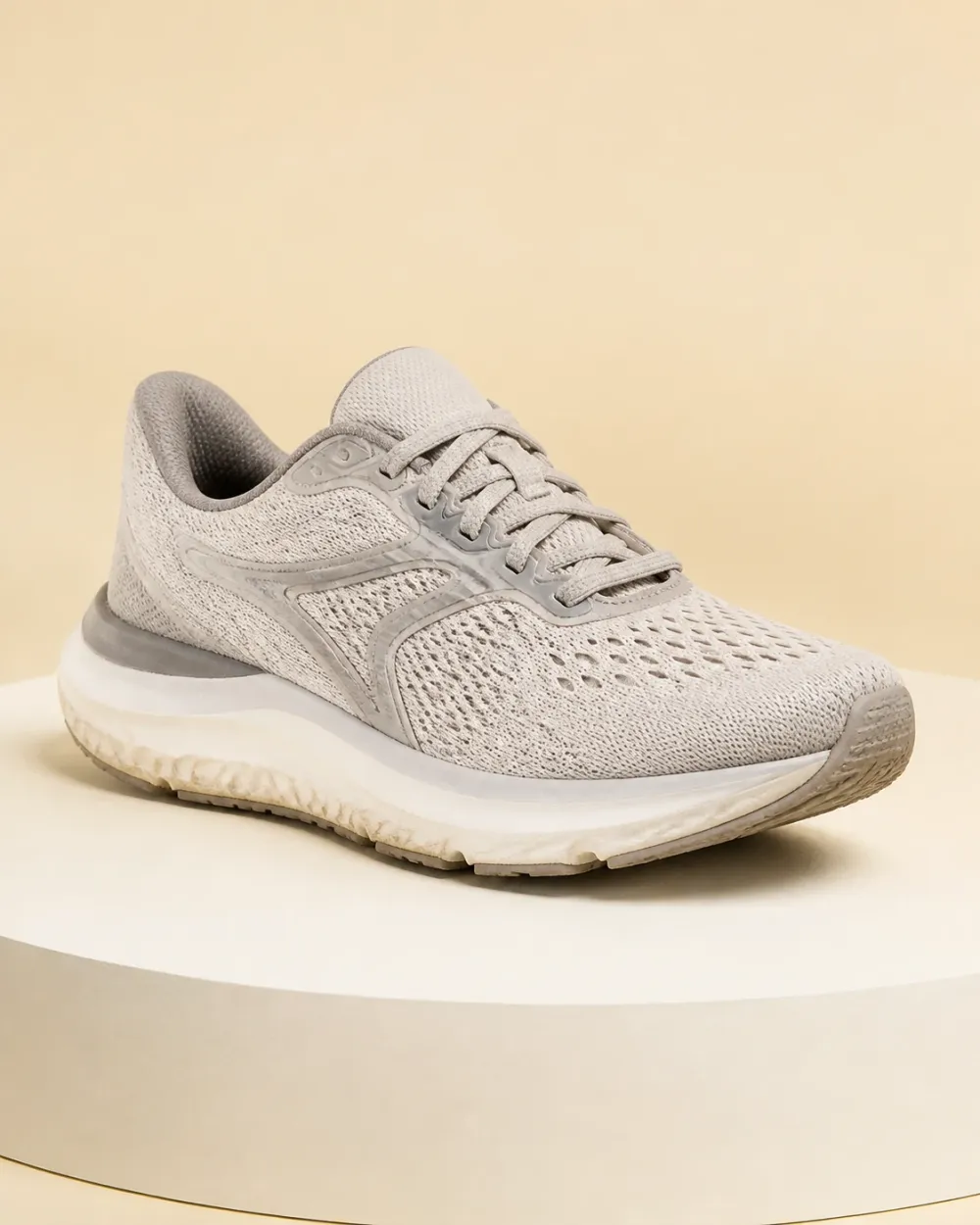
Ardent Stride 5
The Tempo Carbon is measurably faster — 2.1% better running economy at threshold pace, and 79 g lighter — and it is finished at about 200 miles. The Stride 5 costs $105 less, lasts twice as long, and is the only one of the two that is pleasant below 5:30 per kilometre. For all but a handful of runs a year, the Stride 5 is the shoe. Buy the Tempo Carbon as a second pair if you race, and not as a first pair under any circumstances.
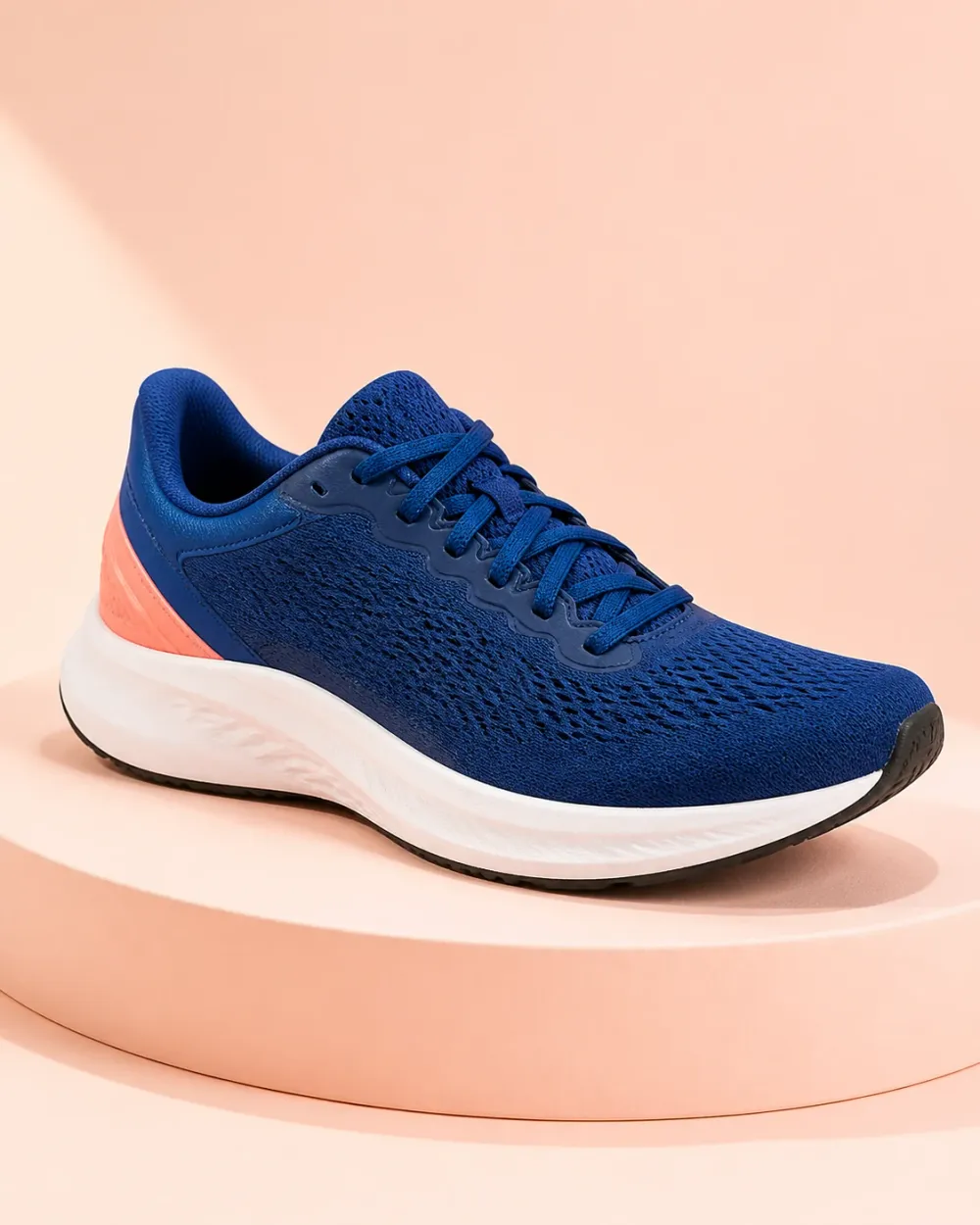
Check price at Ardent Store (opens in a new tab)Two shoes from the same manufacturer, 79 grams and one carbon plate apart. Both were run on the same legs over eleven weeks, on the same loops, at the same two paces. The table below is what came back.
Side by side
| Criterion |  ArdentArdent Stride 5 ArdentArdent Stride 5 |  ArdentArdent Tempo Carbon ArdentArdent Tempo Carbon |
|---|---|---|
| Our score | 8.8 out of 10 — Strong buy | Not tested |
| Weight, UK 9 | 268 g | 189 g — the better of the two |
| Plate | None | Full-length carbon |
| Stack, heel | 34 mm | 39 mm |
| Forefoot platform width | 92 mm — the better of the two | 84 mm |
| Running economy at threshold | Baseline | 2.1% better — the better of the two |
| Running economy at easy pace | Baseline | No measurable difference |
| Stack retained at end of test | 91% at 400 mi — the better of the two | 78% at 200 mi |
| Energy return, fresh | 68% | 81% — the better of the two |
| Usable life | 400+ miles — the better of the two | About 200 miles |
| Cost per 100 miles | $36 — the better of the two | $125 |
Which one, for whom
- If you run four to six times a week
- Ardent Stride 5Almost all of that mileage is easy, where the plate does nothing, and the durability difference decides it.
- If you are racing a half or a marathon
- Ardent Tempo Carbon2.1% over 21 km is worth about two minutes for a 1:45 runner. That is a real number.
- If you are a heavier runner
- Ardent Stride 5The 92 mm platform is considerably more stable, and the Tempo Carbon's foam compresses faster under load.
- If you only own one pair of shoes
- Ardent Stride 5Not a close call. The Tempo Carbon is uncomfortable at easy pace and would be finished in ten weeks.
- If you are chasing a parkrun time
- Ardent Tempo CarbonFive kilometres at threshold is exactly the distance and pace the plate was designed for, and 200 miles is a lot of parkruns.
The economy test
Running economy is the amount of oxygen a runner uses at a fixed pace. A shoe that improves it lets you run the same speed for less effort, and it is the only laboratory measure that reliably predicts race performance.
We tested both shoes on a treadmill at three paces, on two runners, with a randomised order and a repeat session a week later to check for a learning effect.
The result was clean and unsurprising: at 4:40 per kilometre the Tempo Carbon improved economy by 2.1%. At 5:30 the improvement fell to 0.8%, which is inside our measurement error. At 6:30 there was no difference at all, and both runners independently described the plated shoe as “awkward” at that pace.
Why the plate stops working
A curved carbon plate works with a rocker geometry that requires a certain amount of force and a certain foot speed to engage. Below that threshold you are not being propelled, you are running on a stiff, narrow, tall shoe, and the 84 mm forefoot gives you less to balance on while you do it.
This is not a flaw in the Tempo Carbon. It is what a racing shoe is. The flaw is in how these shoes are sold, which is as an upgrade rather than as a specialisation.
The arithmetic
At $145 for 400 miles the Stride 5 costs 36 cents a mile. At $250 for 200 the Tempo Carbon costs $1.25 a mile — three and a half times as much, for a benefit that only exists in the fastest 10% of most people’s running.
If you race four times a year, that is around 100 race miles including tune-ups, and the shoe lasts two seasons. That is a defensible purchase. If you are buying it to make Tuesday’s easy run faster, it is not.
Our answer
The Stride 5, comfortably, for almost everyone. The Tempo Carbon is a genuinely excellent tool for a narrow job, and the mistake is buying it for a wide one.