

Our picks
1Best Overall
 8.8 out of 10 — Strong buy
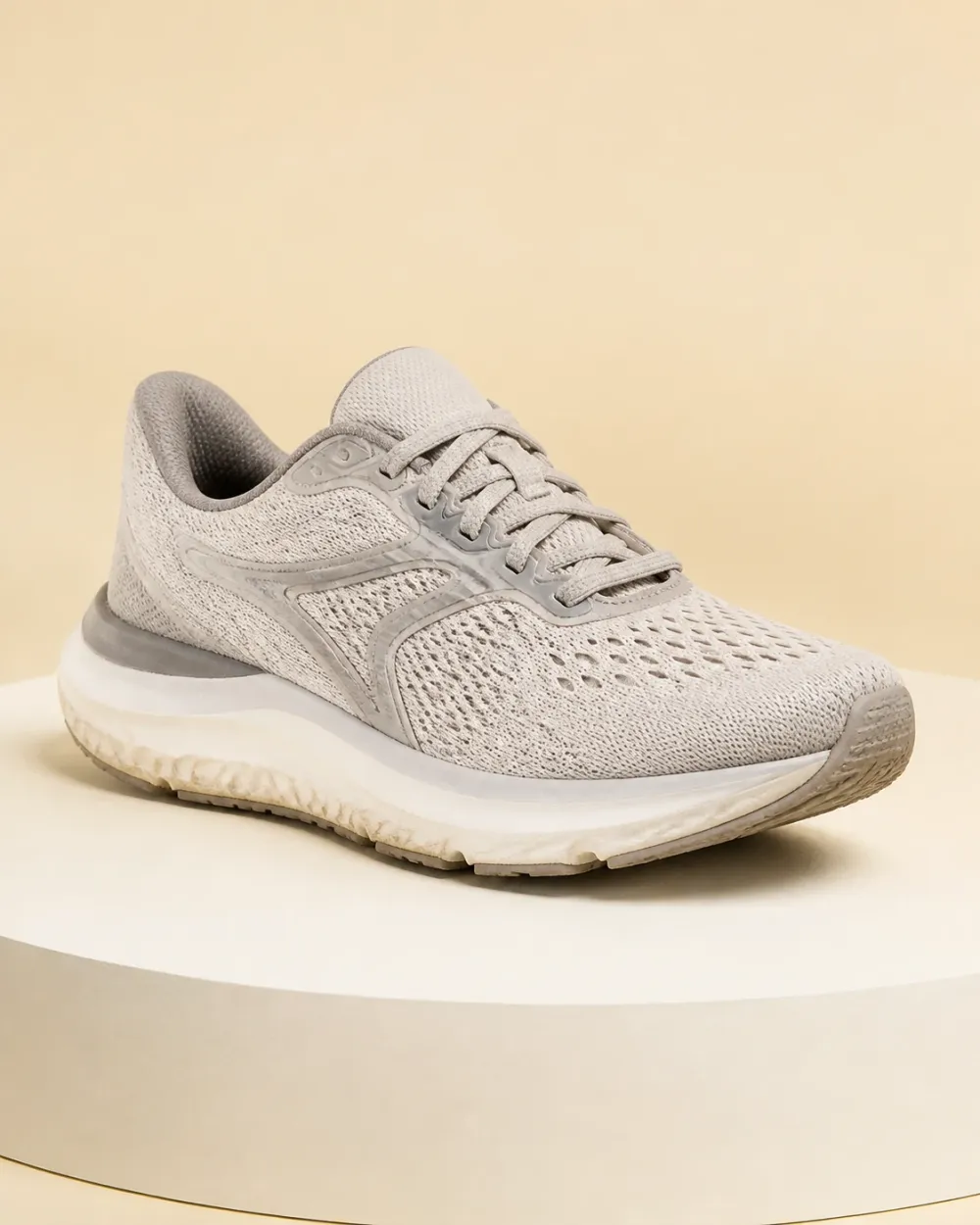
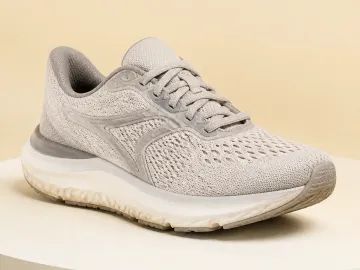
Stride 5
The best measured durability of any daily trainer we have wear-tested, on a platform wide enough to stay stable when your form goes.
Check price at Ardent Store for the Stride 5 (opens in a new tab)
2Best Upgrade

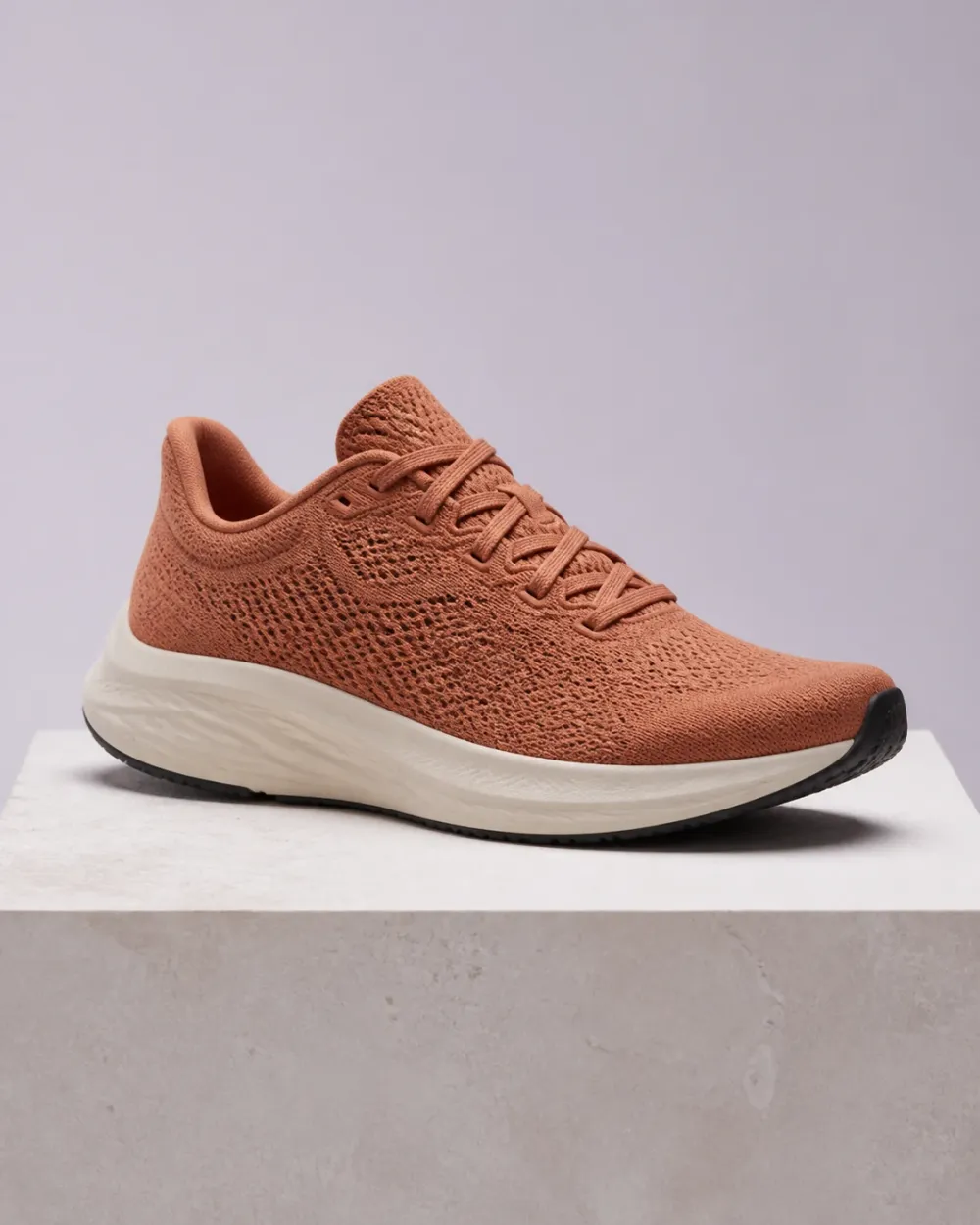
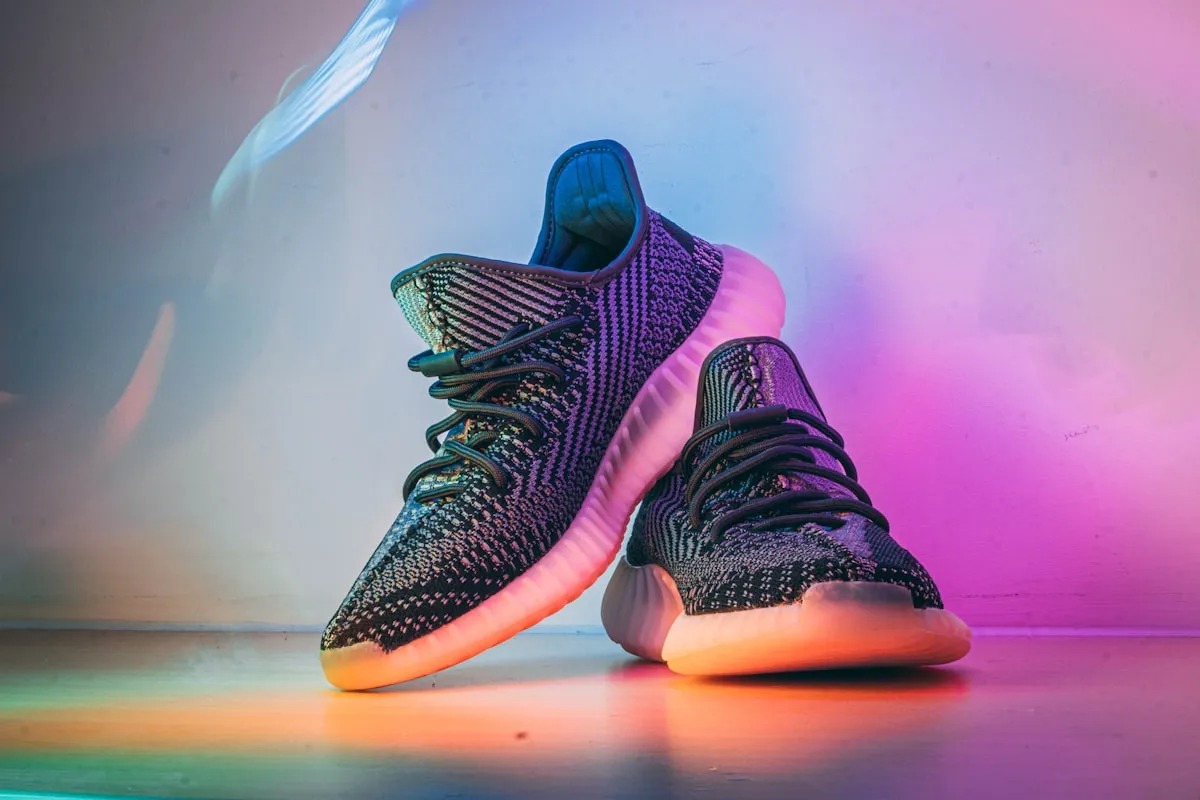
Tempo Carbon
A 2.1% measured improvement in running economy, at 189 g, with roughly 200 miles of usable life. Genuinely fast, and genuinely pointless below 5:30 per kilometre.
Why 400 miles
Almost every running shoe review is written after a week. A week is fifty miles, and at fifty miles every trainer in this test felt good.
The interesting question is what happens between mile 150 and mile 400, because that is where a shoe either keeps the geometry it was designed with or quietly turns into something flatter, softer, and less stable. Runners experience that as a shoe “feeling tired” without knowing why, usually somewhere around the point they stop enjoying their easy runs.
One shoe or two?
Most runners need one good trainer. The rotation advice you read online mostly comes from people who have shoes sent to them.
That said, the case for a second pair is real if you race. A plated shoe gives back a measurable amount at pace — 2.1% in our economy testing — and gives back nothing at all below about 5:30 per kilometre, where the plate does not engage and you are running on a narrow, unstable, expensive trainer. If you race four times a year, the Tempo Carbon is worth it. If you do not, it is not.
What to ignore when you shop
Stack height alone. A 40 mm stack in a narrow shoe is less stable than a 34 mm stack on a 92 mm platform. The width is the number nobody prints.
Weight, for a daily trainer. Twenty grams is a rounding error over an easy hour. It matters for racing and almost nowhere else.
Foam names. Every manufacturer has a proprietary blend with a capital letter. The only thing that separates them in our testing is how much of the stack survives 400 miles, and that is not on the box.
Your size from the last model. The single most common source of a bad purchase. Ardent moved the Stride 5 half a size, and did not say so anywhere.