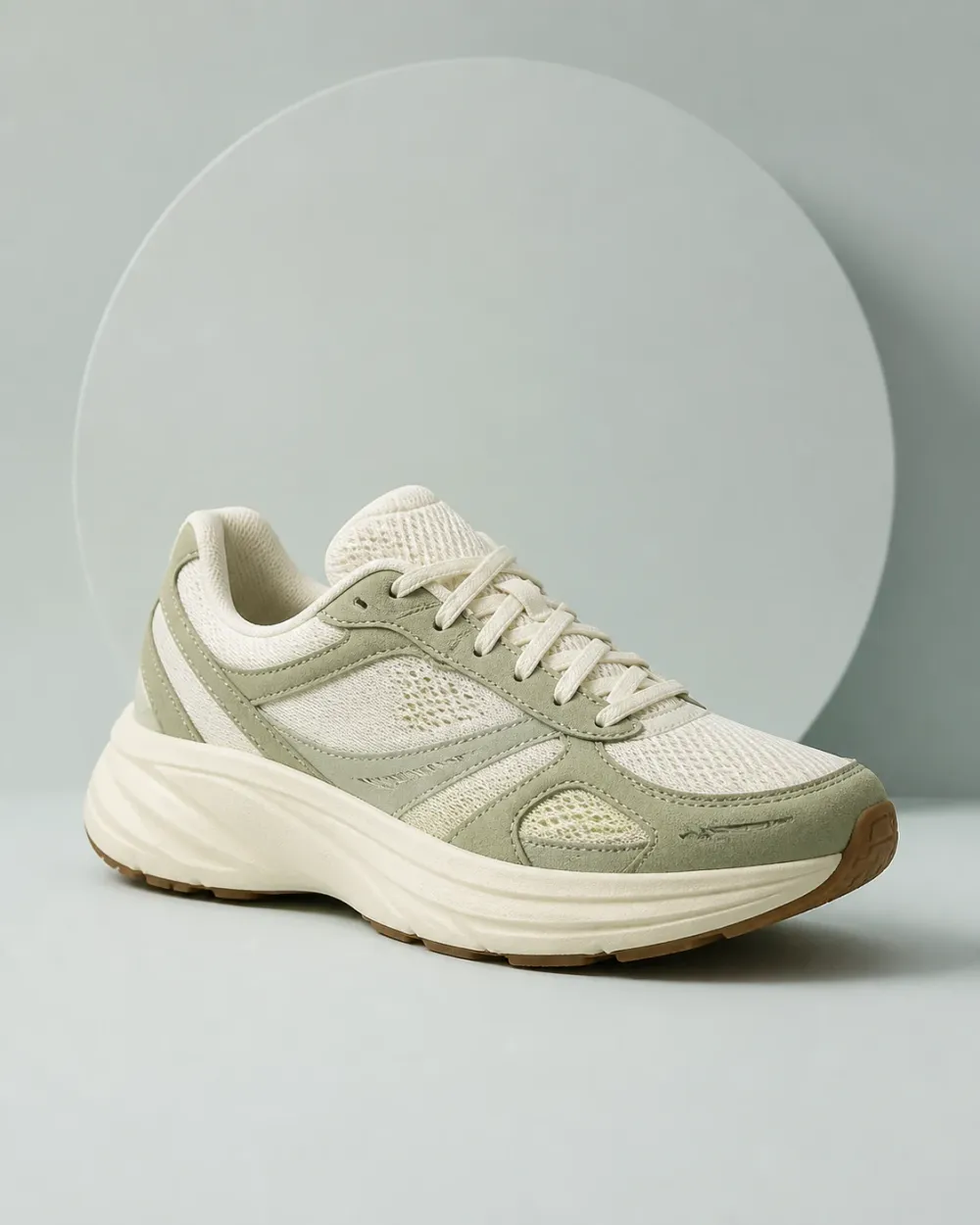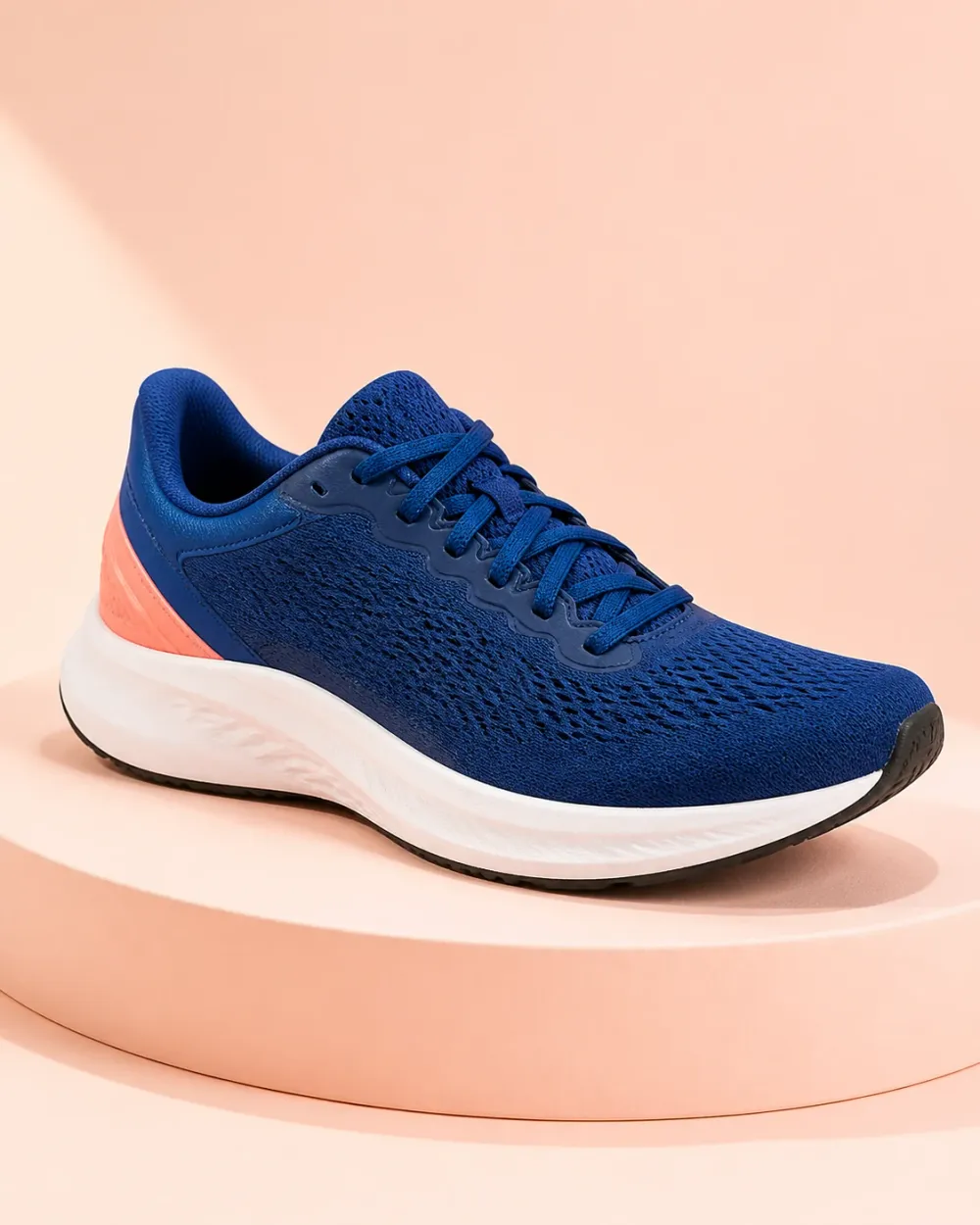



The short version
- The outsole outlasts the midsole. Tread is the worst indicator there is.
- Press the midsole with a thumb: when it stops springing back, it is done.
- Most cushioned trainers are finished between 300 and 450 miles, whatever the box says.
The tread on a running shoe is the last thing to go and the first thing people look at. By the time the outsole is worn through, the midsole has usually been dead for a hundred miles.
The thumb test
Press hard into the midsole foam just behind the ball of the foot, hold for two seconds, and let go. A fresh shoe pushes back and recovers immediately. A finished shoe feels dense, dents, and recovers slowly or not at all.
Compare against a new pair of the same model if you can. The difference is obvious once you have felt both.
The compression numbers
We measure stack height at five points before and after a 400-mile wear test. Across nine cushioned trainers the average loss was 22%; the best we have measured lost 9%. Somewhere around 15% is where both of our testers independently start describing a shoe as flat.
What that means in miles
For most cushioned trainers, 300 to 450 miles. Lighter runners get more, heavier runners get less, and plated racing shoes get far less — around 200.
The cheap insurance
If you run more than about 25 miles a week, rotate two pairs. Foam recovers between runs, and two pairs alternated will together outlast the same two pairs run into the ground one after the other.